
Arecibo, Puerto Rico
(ah-re-SEE-boh)
Arecibo is known as "La Villa del Capitán Correa", in memory of a battle fought successfully on its shores by Captain Antonio de los Reyes Correa and a handful of Spanish Army soldiers to repel a British invasion by sea lead by Admiral Whelstone in August 5, 1702. It is also know as "El Diamante del Norte," Arecibo is Puerto Rico's largest municipality by land area and one of its oldest settlements. Founded in 1616, the city blends centuries of history with dramatic natural landscapes, including towering limestone cliffs, caves, beaches, rivers, and one of the world's most famous scientific landmarks—the former Arecibo Observatory. Whether you're exploring ancient Taíno sites, hiking through karst forests, or relaxing along the Atlantic coast, Arecibo offers one of Puerto Rico's most diverse travel experiences.
Overview
Why Visit Arecibo?
Arecibo combines history, science, nature, and adventure unlike anywhere else on the island. Visitors can explore spectacular caves, visit historic landmarks, relax on beautiful beaches, discover Puerto Rico's indigenous heritage, and experience the city that became world famous through astronomy and radio science.
Why I Love Arecibo

Arecibo has always felt like one of Puerto Rico's great adventure destinations. One moment you're standing above the Atlantic at the lighthouse, the next you're walking inside one of the island's largest cave systems or overlooking lush valleys from Cueva Ventana. Even after the observatory's collapse, Arecibo continues to inspire because its beauty comes from much more than a telescope—it's a place where history, nature, and discovery all come together.
Top Things to Do in Arecibo
Arecibo Observatory Visitor Area / Ángel Ramos Foundation Science & Visitor Center
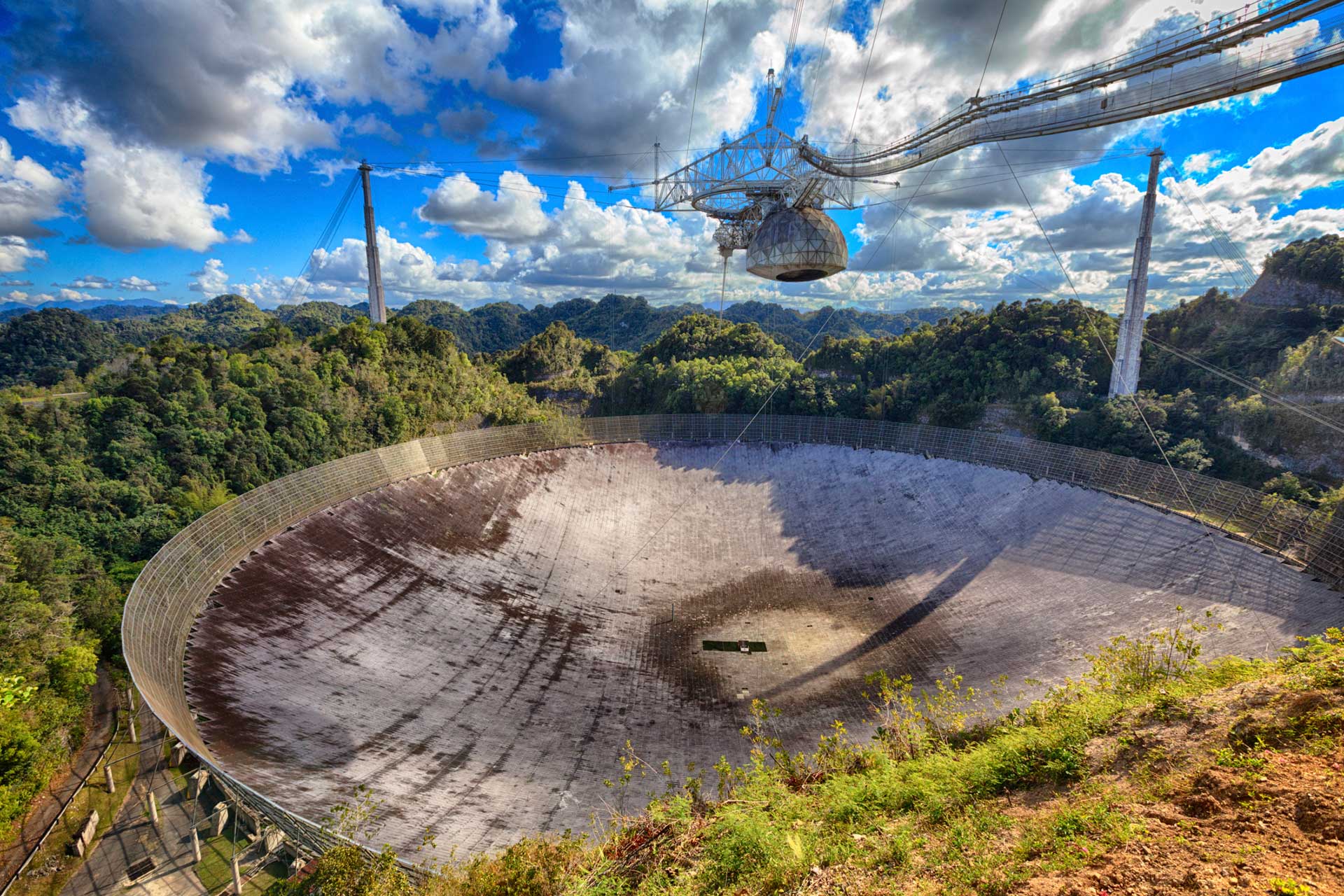
Located about 10 miles (16 km) south of downtown Arecibo, the Arecibo Observatory was inaugurated in 1963 and quickly became one of the world's most important centers for radio astronomy and planetary science. Its massive 1,000-foot (305-meter) radio telescope was the largest single-dish radio telescope in the world for more than five decades.
The observatory played a major role in the search for extraterrestrial intelligence (SETI), mapped asteroids and planets, discovered the first binary pulsar, and transmitted the famous Arecibo Message into space in 1974. It also appeared in the films GoldenEye (1995) and Contact (1997).
Although the telescope collapsed in December 2020 after nearly 60 years of operation and the National Science Foundation decided not to rebuild it, the site continues its scientific legacy through the Ángel Ramos Foundation Visitor Center, educational exhibits, STEM programs, and research initiatives that celebrate Arecibo's lasting contribution to astronomy.
Cueva Ventana
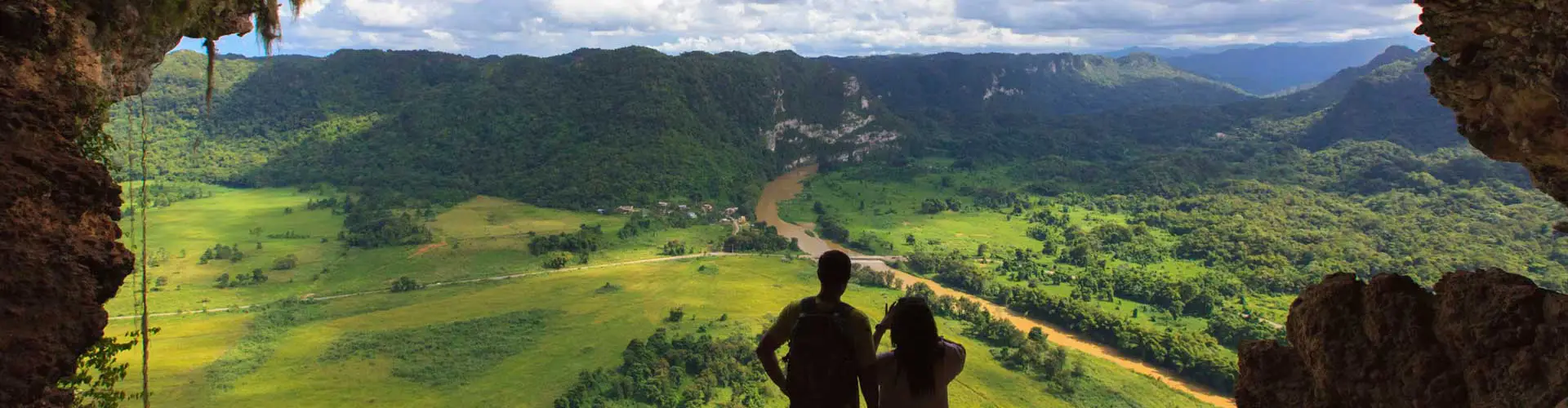
One of Puerto Rico's most iconic natural attractions, Cueva Ventana offers breathtaking views through a massive limestone opening overlooking the Río Grande de Arecibo valley, it is filled with stalagmites and stalactites. Guided tours explore the cave's geology, wildlife, and Taíno history. Located on Route 10, Km 75.
Cueva del Indio
A spectacular coastal archaeological site known for dramatic limestone formations, sea arches, blowholes, and one of Puerto Rico's finest collections of Taíno petroglyphs.
Arecibo Lighthouse & Historical Park
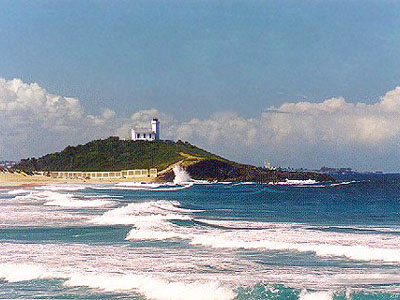
Built in 1898, the Punta Morrillos Lighthouse overlooks dramatic Atlantic cliffs and houses a family-friendly historical park featuring pirate exhibits, a Taíno village replica, museums, an aquarium, and panoramic ocean views.
La Poza del Obispo
One of Puerto Rico's safest natural swimming beaches thanks to a reef that creates a calm lagoon protected from the Atlantic surf.
Casa Ulanga
Built in the mid-1800s, Casa Ulanga now serves as Arecibo's cultural center and museum, preserving the city's rich colonial and civic history.
Museo Casa Ulanga
Built during the mid-19th century, Casa Ulanga now serves as a cultural museum operated by the Institute of Puerto Rican Culture. The beautifully restored building showcases Arecibo's history, architecture, and artistic heritage.
Museo de Arte e Historia de Arecibo
Located in the historic downtown district, the museum features exhibits on local history, archaeology, fine art, and the municipality's cultural heritage.
Plaza Luis Muñoz Rivera
The city's central plaza is surrounded by historic buildings, cafés, and the Cathedral of Saint Philip the Apostle, making it the heart of downtown Arecibo.
Cambalache Forest Reserve
Located between Arecibo, Manati and Berceloneta, the reserve covers an area of 1000 acres with an elevation raging from 5 to 50 meters above the sea level. It is known as "vivero" (nursery) because it contains plantations of eucalyptus, teak, and mahoe trees. Camping allowed in two areas. Water and showers, 8 trails and nearby beach. Rd #682 km 6.6., (787) 724-3724.
City Hall
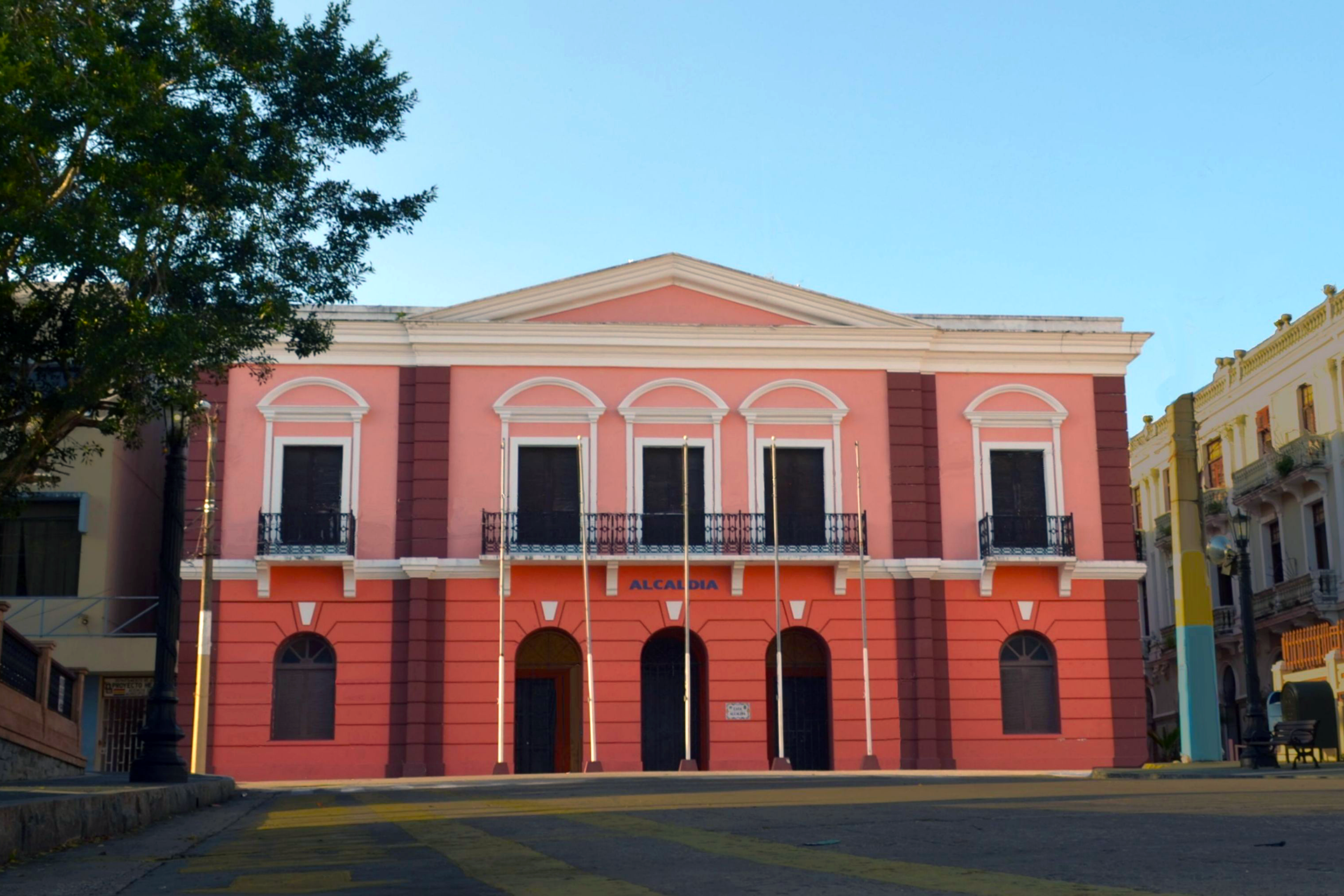
Built in 1866, served as jail to "El Grito de Lares" participants in 1868. In 1918, the frontal section of the building was destroyed by a earth tremor. Repairs were made and a tower and clock were added to the building. In 1978, the building was restored to its original form.
Plaza del Atlántico
The municipality's largest shopping center offers restaurants, retail stores, a movie theater, and family entertainment.
Arecibo Harbor
Arecibo Harbor is a small commercial port on Puerto Rico's north coast that has supported maritime trade for centuries. Today it primarily serves coastal cargo operations, fishing vessels, and recreational boats while remaining an important part of the municipality's economy.
Nature & Wildlife
Dos Bocas Lake
Created in 1942, Lago Dos Bocas is one of Puerto Rico's most scenic reservoirs. Visitors can enjoy boat rides, waterfront restaurants, and spectacular mountain views while exploring one of the island's largest artificial lakes.
Las Tunas Beach
A quiet Atlantic beach popular for walking, fishing, surfing, and enjoying ocean views.
Los Negritos Beach
Known for its rocky shoreline and scenic coastline, Los Negritos is popular with local fishermen and photographers.
Astronomy & Caves
Although the iconic Arecibo Observatory no longer operates its famous radio telescope, the municipality remains synonymous with scientific discovery and natural wonders. Visitors can learn about its groundbreaking contributions to astronomy while also exploring one of the world's largest karst landscapes.
Nearby, the Río Camuy Cave Park reveals an underground world of massive caverns, rivers, and limestone formations that rank among the largest cave systems in the Western Hemisphere.
Together, science and geology make Arecibo one of Puerto Rico's most fascinating destinations.
Plan your Visit
Whether you're visiting the Observatory, hiking to Cueva Ventana, or spending the day along the Atlantic coast, planning ahead will help you experience the very best of Arecibo.
Getting There
By Air
Luis Muñoz Marín International Airport (SJU) is approximately 1 hour east via PR-22.
By Sea
Antonio (Nery) Juarbe Pol Airport (ARE) serves private and charter aircraft. Most commercial visitors arrive through Luis Muñoz Marín International Airport (SJU), about 1 hour and 15 minutes from Arecibo.
By Car
Arecibo is easily reached using PR-22 (José de Diego Expressway) or scenic PR-2 along Puerto Rico's northern coast.
Getting Around
Rental Car
The best way to experience Arecibo's attractions.
Adventure Excursions
Most caves and natural attractions require short drives between locations.
Walking
Downtown Arecibo is walkable, especially around Plaza Luis Muñoz Rivera and the Cathedral.
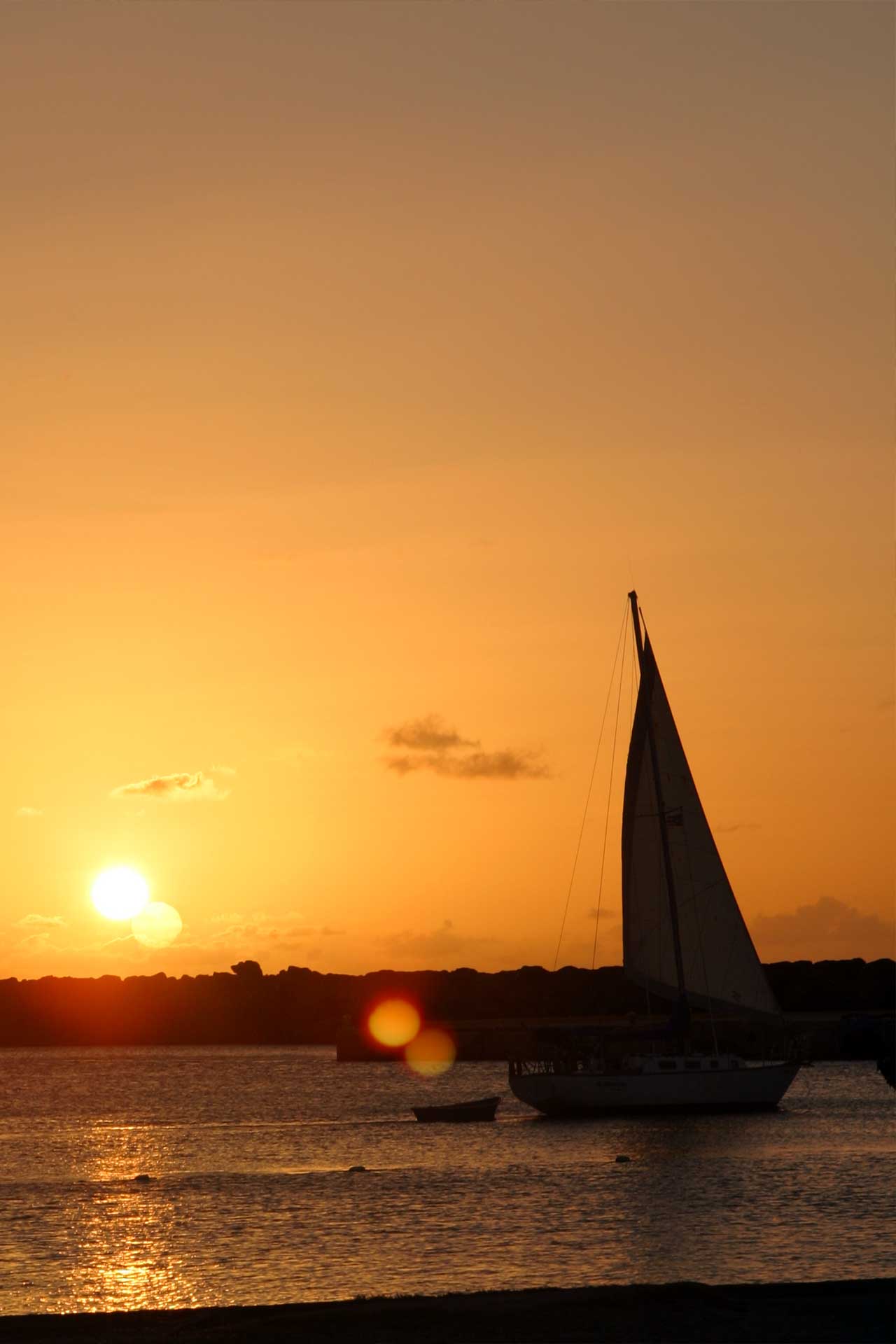
Photo by Santo Soto
Nature & Resources
Geography
Arecibo lies along Puerto Rico's rugged northern coast, bordered by the Atlantic Ocean and surrounded by the island's spectacular northern karst region. The municipality borders Hatillo, Utuado, Florida, Barceloneta, Ciales, and Quebradillas, making it one of Puerto Rico's most geographically diverse municipalities.
The city is bathed by several rivers, Grande de Arecibo, which runs through the middle of the city, Rio Tanamá, Río Grande de Manatí, and Río Caonillas
Arecibo contains 19 barrios (PDF) (wards/districts) and is the largest municipality on the island by land area.
- Arenalejos
- Arrozal
- Cambalache
- Carreas
- Domingo Ruiz
- Dominguito
- Esperanza
- Factor
- Garrochales
- Hato Abajo
- Hato Arriba
- Hato Viejo
- Islote
- Miraflores
- Pueblo
- Río Arriba
- Sabana Hoyos
- Santana
- Tanamá
Climate
Arecibo enjoys a tropical climate with warm temperatures year-round averaging 75–88°F (24–31°C). The Atlantic breeze moderates temperatures while the surrounding karst mountains create unique microclimates ideal for forests, caves, and river systems. On average, the warmest month is August, and the coolest month is January. Arecibo averages 34.45 inches (110 mm) of rain per year. November is the average wettest month.
ARECIBO WEATHERWhere to Stay
- Hyatt Place Manatí (nearby)
- Ventana al Atlántico Boutique Hotel
- Discovery Inn
- Arecibo Inn
- Casa Ulanga area guesthouses
Local Flavors & Festivities
Where to Eat
- Salitre Mesón Costero
- El Galeón
- Rancho del Gigante
- El Clandestino
- Salitre
- Victor's Pizza
- Panadería España
- Panadería La Nueva
- Bocata Smokehouse
Festivals and Events
Displaying 8 results.
-
Carnaval Capitán Correa
- January
One of Puerto Rico's oldest and most colorful carnivals, honoring Captain Antonio de los Reyes Correa. The celebration features colorful parades, vejigantes, live music, dance performances, artisan vendors, food kiosks, and family activities throughout downtown Arecibo.(787) 680-7368
-
Festival de la Yautia Amarilla
- September
Celebrates one of Puerto Rico's traditional root crops with agricultural exhibits, fresh produce, cooking demonstrations, local cuisine, educational talks, artisan vendors, and live music held at Finca Capo.
-
Festival del Ceti
- November
Celebrates the ceti, a tiny native fish traditionally harvested from Puerto Rico's rivers. Visitors enjoy local seafood dishes, cooking demonstrations, live music, artisan vendors, and cultural presentations highlighting Arecibo's fishing heritage.(787) 878-2500
-
Festival Folklórico de Arecibo
- September
A celebration of Puerto Rican traditions featuring bomba and plena performances, folk music, dance groups, traditional cuisine, artisan crafts, and cultural exhibitions that preserve the island's heritage.
-
Festival Internacional de Paracaidismo
- February
International skydiving festival held at the Antonio (Nery) Juarbe Pol Airport, attracting professional and recreational skydivers from Puerto Rico and abroad for aerial demonstrations and competitions.
-
Festival Playero
- July
A summer beachfront celebration with live music, beach sports, family activities, food kiosks, artisan vendors, and entertainment along Arecibo's Atlantic coast.
-
Fiestas Patronales de San Felipe Apostol
- May
Arecibo's annual patron saint festival honoring Saint Philip the Apostle. The festivities include religious processions, concerts, carnival rides, artisan vendors, traditional Puerto Rican food, parades, and family entertainment in the town plaza.(787) 879-1625
-
Mercado Urbano de Arecibo
- Year-round
Monthly open-air market in Plaza de Recreo featuring local artisans, farmers, fresh produce, handmade goods, food vendors, live entertainment, and family-friendly activities. Held the third Sunday of every month.
Moments in History
Arecibo is officially founded as San Felipe del Arecibo.
Captain Antonio de los Reyes Correa successfully repels a British invasion, earning Arecibo the title "Muy Leal."
Arecibo is granted the title of Villa by the Spanish Crown.
Construction begins on the Arecibo Observatory, which becomes one of the world's largest radio telescopes.
The famous Arecibo Message is transmitted into space as humanity's first intentional interstellar radio message.
The 305-meter telescope collapses, marking the end of an era while the observatory continues as a science and education center.
Notable People
From artists and athletes to scientists and national heroes, Arecibo has produced many of Puerto Rico's most influential figures. Their contributions to sports, the arts, politics, and science have helped shape both the island's history and its international reputation.
Famous Arecibeños
Antonio Paoli
1871–1946)
Opera
Internationally acclaimed tenor known as the "King of Tenors," Antonio Paoli performed on the world's greatest stages and became one of Puerto Rico's earliest internationally recognized performers.
René Marqués
1919–1979)
Literature
Award-winning playwright, novelist, and essayist whose works—including La Carreta—remain classics of Puerto Rican literature.
María Cadilla de Martínez
1884–1951)
Education & Folklore
Educator, writer, and folklorist who documented Puerto Rican traditions and helped preserve the island's cultural heritage.
Victor Rojas
1940–2019
Astronomy
Astronomer and educator who spent much of his career at the Arecibo Observatory, helping inspire generations of scientists.
Read more about famous Arecibeños
City Symbols
Flag
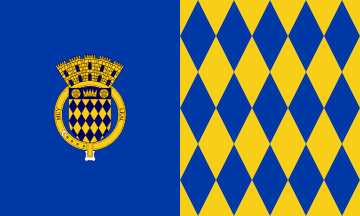
The flag of Arecibo derives its composition and colors from the Shield of the City. Arecibo's flag is divided vertically into blue and gold sections derived from the municipal coat of arms. The blue field represents Captain Antonio de los Reyes Correa, while the gold and blue diamond pattern honors Governor Felipe de Beaumont y Navarra, who established the town.
Coat of Arms
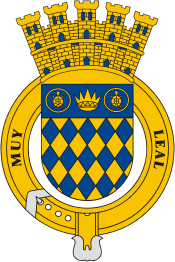
The coat of arms combines symbols representing Arecibo's Taíno heritage, Spanish colonial history, and military tradition. The Taíno crown honors Cacique Arasibo, the turtles symbolize the area's indigenous roots and natural wealth, the blue and gold diamonds reference Governor Beaumont, and the gold belt commemorates Captain Antonio de los Reyes Correa, defender of Arecibo during the 1702 British attack. The mural crown with five towers signifies Arecibo's status as a city.
Anthem
The official municipal anthem is "Paso Doble Arecibo." Its lyrics celebrate Arecibo's history, heroes, athletes, and cultural pride, paying tribute to Captain Correa, painter José Campeche, poet Pachín Marín, and many distinguished sons and daughters of the municipality. The anthem was written by Jose A. Monrouzeau.
Human & Capital Resources
Economy
Historically, Arecibo developed around agriculture, fishing, cattle ranching, and maritime trade before becoming one of Puerto Rico's leading centers for manufacturing, pharmaceuticals, healthcare, education, and commerce. Tourism also plays an increasingly important role thanks to the city's caves, beaches, historic downtown, and internationally recognized scientific legacy associated with the Arecibo Observatory.
Education
Arecibo serves as an important educational center along Puerto Rico's northern coast, offering students access to a wide range of public and private schools, technical programs, and higher education institutions. The city is home to the University of Puerto Rico at Arecibo (UPRA), a respected public campus known for its programs in science, technology, business, education, communications, and the liberal arts. The university also promotes undergraduate research, community engagement, and workforce development, making it a valuable resource for the region.
Arecibo is also home to the Inter American University of Puerto Rico – Arecibo Campus, a private university offering associate, bachelor's, and master's degree programs in fields including business, education, nursing, criminal justice, computer science, and health sciences. The campus is particularly recognized for its nursing and healthcare programs and provides students with modern academic facilities and extensive support services.
Together, these institutions provide residents of Arecibo and neighboring municipalities with excellent educational opportunities while supporting the city's continued growth in healthcare, technology, business, and scientific research.
Demographics *
Population
87,754
Land Area: 125.95 sq mi
Density: 691.2 per sq mi
Median Age: 45.1
Sex: 52% female
Economics **
$11,199
Median household income: $19,266
Puerto Rico: $21,058
Persons below poverty line: 47%
Housing, families and educational attainment *
Number of households
32,405
Housing units density:
343.4 (2013)
Persons per household: 2.55
High school grad or higher: 77.5%
Marital status: 31% married
* U.S. Census Bureau 2020 data, unless otherwise noted - Source: Quick Facts Puerto Rico.
** U.S. Census Bureau 2016-2020
Map References
Coordinates: 18.3442° N, 66.7528° W
ZIP Code: 00612, 00613, 00614, 00616, 00652, 00688
Driving Distance from San Juan: 54.5 miles
Driving Time: 1 hour, 16 minutes
Other Resources
Did You Know?
In 1906, Theodore Roosevelt, the first US President to travel outside the United States, made a stop in Puerto Rico (thus, becoming the first president to visit the island) and that he stayed overnight in Ponce.
Get Our Newsletter
Discover new places, local flavors, upcoming events, cultural stories, and some of our favorite finds from around the island.Read the Latest ¡La Isla! Newsletter
Follow Along


