
Barceloneta, Puerto Rico
(barselo'neta)
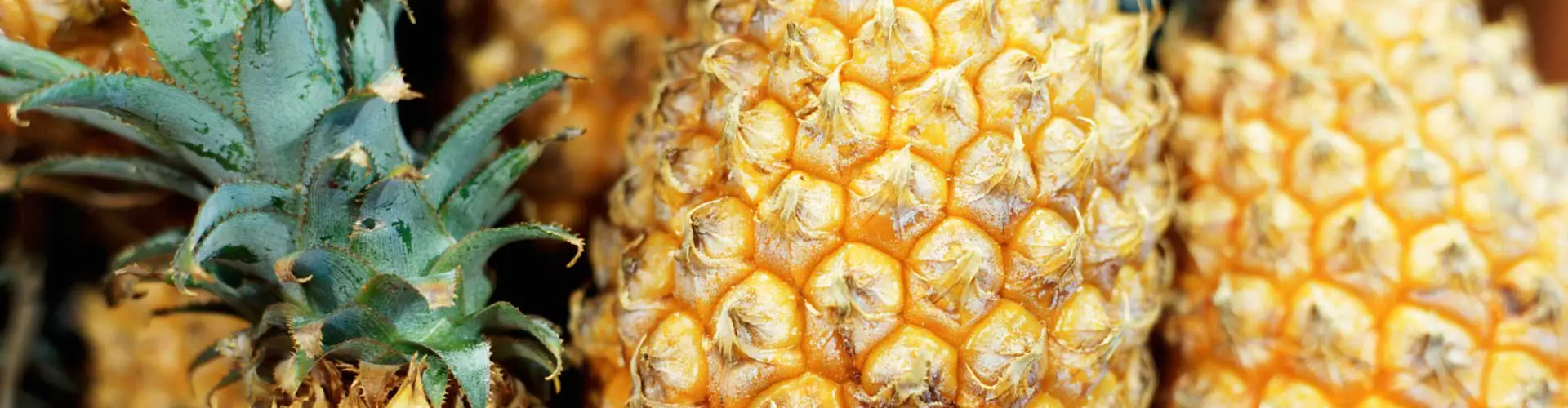
Located along Puerto Rico's northern coast, Barceloneta combines beaches, wetlands, history, shopping, and industry in one compact municipality. Known as La Ciudad de las Piñas (pineapple city) and La Ciudad Industrial, the town grew from a sugar and pineapple producing community into an important pharmaceutical center. Visitors can explore its unusual black-sand coastline, enjoy the Malecón de la Boca, discover local history, and shop at Puerto Rico Premium Outlets.
The town was founded in July 1, 1881 by Bonocio Llenza Feliu. Bonocio named the city Barceloneta because it brought back loving memories of his hometown Barcelona, back in Spain.
Barceloneta has the biggest pharmaceutical complex in the world (14 industries). It is known that these companies have chosen Barceloneta to establish their facilities for its underground water reservoirs. The water in Barceloneta is so pure that it requires very little treatment for use in the manufacture of pharmaceutical products.
Overview
Why Visit Barceloneta?
Barceloneta offers a different side of Puerto Rico's north coast. Its appeal lies in the contrast between natural and modern attractions: rugged beaches and wetlands sit only minutes from major shopping, restaurants and one of the island's most important industrial districts.
Why I Love Barceloneta

Barceloneta is one of those towns that can surprise you. Most people associate it with shopping or industry, but its coastline tells a very different story. The black sand, coastal vegetation and mouth of the Río Grande de Manatí reveal a quieter, more natural side of northern Puerto Rico. It is worth leaving the highway, slowing down and seeing the town beyond the outlets.
Top Things to Do in Barceloneta
Playa Arena Negra
One of Barceloneta's most distinctive natural attractions, Playa Arena Negra is known for its dark sand and wild Atlantic setting. The beach is better suited to sightseeing, photography and appreciating the coastline than to casual swimming, since north-coast currents and surf can be strong. It has been promoted as one of the municipality's signature visitor stops.
Malecón de la Boca
Located near the mouth of the Río Grande de Manatí, the Malecón de la Boca offers coastal and river views in an area historically connected to fishing, transportation and maritime commerce. It is a pleasant place to enjoy the scenery, watch the water and experience Barceloneta's relationship with the Atlantic.
Centro Cultural de Barceloneta
The cultural center preserves the municipality's history through local artifacts, historical exhibits and archaeological material, including objects connected with Puerto Rico's Indigenous heritage. It gives visitors useful context before exploring the town and surrounding landmarks.
Museo de Sixto Escobar
Dedicated to Barceloneta-born boxing champion Sixto Escobar, the museum honors the life and athletic legacy of one of Puerto Rico's most important sports figures. Escobar became the first Puerto Rican world boxing champion, giving the municipality one of its enduring nicknames: Pueblo de Sixto Escobar. The museum's current schedule should be confirmed before visiting.
Antiguo Muelle de Barceloneta
The remains of Barceloneta's former pier recall the period when the municipality was an active shipping point for sugar, salt, agricultural products and passengers. The town's location beside the Río Grande de Manatí once supported maritime links with New York and Barcelona.
La Mirada del Taíno
This public landmark recognizes the Indigenous history of the area and Barceloneta's identity as El Pueblo de los Indios. It works well as a brief cultural stop when exploring the municipality by car.
Puerto Rico Premium Outlets
Puerto Rico Premium Outlets has helped establish Barceloneta as one of the island's principal shopping destinations. Its location near the expressway makes it an easy stop for visitors traveling through the northern region. Located on De Diego Expressway Route 227, Barceloneta Exit 55.
Caño Tiburones
Located across portions of Barceloneta and neighboring municipalities, Caño Tiburones is one of Puerto Rico's important wetland systems. Its marshes provide habitat for birds and other wildlife and illustrate the ecological richness of the island's northern coastal plain. Access and guided opportunities should be confirmed before visiting.
Cambalache State Forest
Near Barceloneta and Arecibo, Cambalache State Forest protects limestone-forest habitat and offers opportunities for nature observation and outdoor recreation. It can be included as a nearby excursion rather than presented as being entirely within Barceloneta.
Plan your Visit
Barceloneta is easy to combine with other northern destinations such as Manatí, Arecibo and the Camuy area. A car is the most practical way to move between the coast, downtown, shopping district and nearby nature reserves.
Getting There
By Air
Luis Muñoz Marín International Airport in Carolina is the principal arrival point for most visitors. From the airport, Barceloneta is reached by traveling west along the northern highway network.
By Sea
The municipality is easily accessed through PR-22, with local roads connecting the expressway to downtown Barceloneta, Palmas Altas, the shopping district and the coast.
From San Juan
Driving time is generally about 45 minutes to one hour, depending on traffic and your final destination within the municipality.
Getting Around
Rental Car
A car is strongly recommended because Barceloneta's attractions are spread between the coastal zone, downtown, wetlands and commercial areas.
Taxis & Rideshare
Availability may be more limited than in metropolitan San Juan, especially near beaches and natural areas. Arrange return transportation in advance when possible.
Downtown Walking
The compact pueblo area can be explored on foot, including the plaza, parish church, civic buildings and nearby cultural sites.
Nature & Resources
Geography
Barceloneta lies on Puerto Rico's northern coastal plain, bordered by the Atlantic Ocean to the north, Manatí to the east, Arecibo to the west and Florida to the south. Its landscape combines coastal beaches, wetlands, karst formations, agricultural land and areas shaped by the Río Grande de Manatí.
The Río Grande de Manatí is the municipality's defining waterway. Its mouth, surrounding wetlands and historic connection with coastal shipping have influenced Barceloneta's landscape, economy and development, the river is 73 km (45 mi) in length.
Neighborhoods & Barrios
The municipality consists of 4 barrios (PDF) (wards/districts):
- Garrochales
- Florida Afuera
- Pueblo
- Palmas Altas
Climate
Barceloneta has a warm tropical climate influenced by its Atlantic coastal location. Daytime temperatures remain warm throughout the year, with greater rainfall and humidity during the late summer and autumn months. The annual precipitation is approximately 53.01 inches, and its average temperature is 77.8°F. June is the warmest, February is the coolest, and the westest month is November. The highest recorded temperature was 99°F in 1969. The lowest recorded temperature was 50°F in 1965.
BARCELONETA WEATHER10 Day Forecast from weather.com
Where to Stay
Barceloneta is ideal for travelers looking for a quiet base on Puerto Rico's north coast. While the municipality has few traditional hotels, visitors can choose from beachfront vacation rentals, guesthouses, and apartments that provide convenient access to beaches, shopping, and nearby attractions. Many travelers also stay in neighboring Manatí or Arecibo while exploring the area.
- SandBox Villas
- Coconut Beach House
- Puerto Palma Apartments
- Villa 340
- Palmas Seaview Guest House & Apartments
- Arts Craft Vacation Rentals
- Catalana 1 Apartments
- 140 House Studio
- Aqua Loft Suite
Local Flavors & Festivities
Where to Eat
Barceloneta offers a surprisingly diverse dining scene, ranging from traditional Puerto Rican seafood restaurants and waterfront chinchorros to fine dining, international cuisine, and casual eateries. Fresh seafood, mofongo, local fritters, and Caribbean flavors are among the area's specialties.
- El Bohío del Gran Pescador
- Pa' Picar
- The Pionono #2
- Nueve 46 Cuisine
- Restaurante Merced
- El Vago Taquería & Bar
- Metropol Restaurant
- Coco Mar Bar & Food
- El Carajo Bar & Grill
- Panakeia
- La Industrial Bakery
Dining Near Puerto Rico Premium Outlets
Visitors will also find familiar favorites such as Metropol, Olive Garden, Chili's, and several casual eateries located at or near Puerto Rico Premium Outlets, making Barceloneta a convenient stop for both shopping and dining.
Festivals and Events
Displaying 7 results.
-
Festival de Música Típica
- June
A celebration of Puerto Rico's jíbaro heritage featuring live música típica performances, troubadours, folk dancing, traditional cuisine, artisan vendors, and family-friendly activities.(787) 846-3400
-
Festival de Verano
- June
Annual summer festival offering live entertainment, family activities, food kiosks, artisan vendors, beach recreation, and concerts celebrating the start of Puerto Rico's summer season.(787) 846-3400
-
Fiestas Patronales de la Virgen del Carmen
- July
Barceloneta's annual patron saint festival honoring Our Lady of Mount Carmel with religious processions, concerts, carnival rides, artisan vendors, traditional Puerto Rican cuisine, parades, and family entertainment in the town plaza.(787) 846-2030
-
Festival de la Juventud
- August
Community celebration focused on youth featuring live music, sports competitions, talent showcases, recreational activities, food vendors, and family entertainment.
-
Festival de Bomba y Plena
- October
Celebrates Puerto Rico's African heritage through bomba and plena music, dance performances, cultural workshops, traditional food, artisan crafts, and educational exhibits highlighting these historic musical traditions.(787) 846-3400
-
Festival Gastronómico Barceloneta
- October
Celebrates the municipality's culinary traditions with local chefs, traditional Puerto Rican dishes, food tastings, artisan products, cooking demonstrations, and live entertainment.
-
Encendido de la Navidad
- November
Official Christmas tree lighting ceremony marking the beginning of Puerto Rico's holiday season with live music, Christmas performances, artisan vendors, traditional holiday foods, and visits from Santa Claus and the Three Kings.
Moments in History
Bonocio Llenza Feliú, originally from Barcelona, Spain, founded Barceloneta on July 1, 1881. The municipality's name reflects his connection to his homeland.
Sugar cane, salt and other agricultural products helped develop the town. Its location near the Río Grande de Manatí supported port activity and passenger and cargo routes.
After economic and administrative difficulties, Barceloneta was temporarily annexed to Manatí. It later regained its status as an independent municipality.
Barceloneta was reestablished as a separate municipality, allowing it to continue developing its own government and civic identity.
The closing of the major sugar mill marked the decline of the old sugar economy and encouraged a transition toward pineapple cultivation and industrial development.
Pharmaceutical manufacturers established operations in Barceloneta, transforming the municipality into one of Puerto Rico's leading industrial centers.
Barceloneta balances pharmaceutical manufacturing, retail, local agriculture and a growing appreciation for its beaches, wetlands and cultural heritage.
Notable People
Cabo Rojo is proud to be the hometown of several distinguished Puerto Ricans who have made significant contributions to the island's history, culture, education, and public service.
Famous Caborrojeños
Sixto Escobar
1913–1979
Boxing
Born in Barceloneta, Sixto Escobar became Puerto Rico's first world boxing champion. His achievements made him a national sports hero and inspired the municipal nickname Pueblo de Sixto Escobar.
José Pagán
1935–2011
Baseball
Puerto Rican professional baseball player who competed in Major League Baseball and became known for his versatility as an infielder.
José Agustín Balseiro
1900–1991
Poet • Novelist • Essayist • Literary Critic
José Agustín Balseiro became one of Puerto Rico's most respected literary figures. He authored numerous books of poetry, novels, and literary criticism, and in 1931 became the first—and still only—Puerto Rican elected unanimously to the Royal Spanish Academy (Real Academia Española). He later helped found the Puerto Rican Academy of the Spanish Language and taught at several universities in the United States.
Benito de Jesús Negrón
1912–2010
Composer • Singer
Benito de Jesús was a celebrated composer and member of the legendary Trío Vegabajeño. Throughout his career he wrote dozens of popular songs, including "Nuestro Juramento," one of the most recorded boleros in Latin America. His music became part of Puerto Rico's traditional popular songbook.
Blanca María Marchand
c. 20th century (exact birth/death dates are difficult to verify)
Poet
Known as "La Novia del Verso," Blanca María Marchand was a Puerto Rican poet recognized for her lyrical writing and contributions to the island's literary culture. Although detailed biographical information is scarce, she remains one of Barceloneta's recognized literary figures and is consistently listed among the municipality's distinguished residents.
City Symbols
Flag
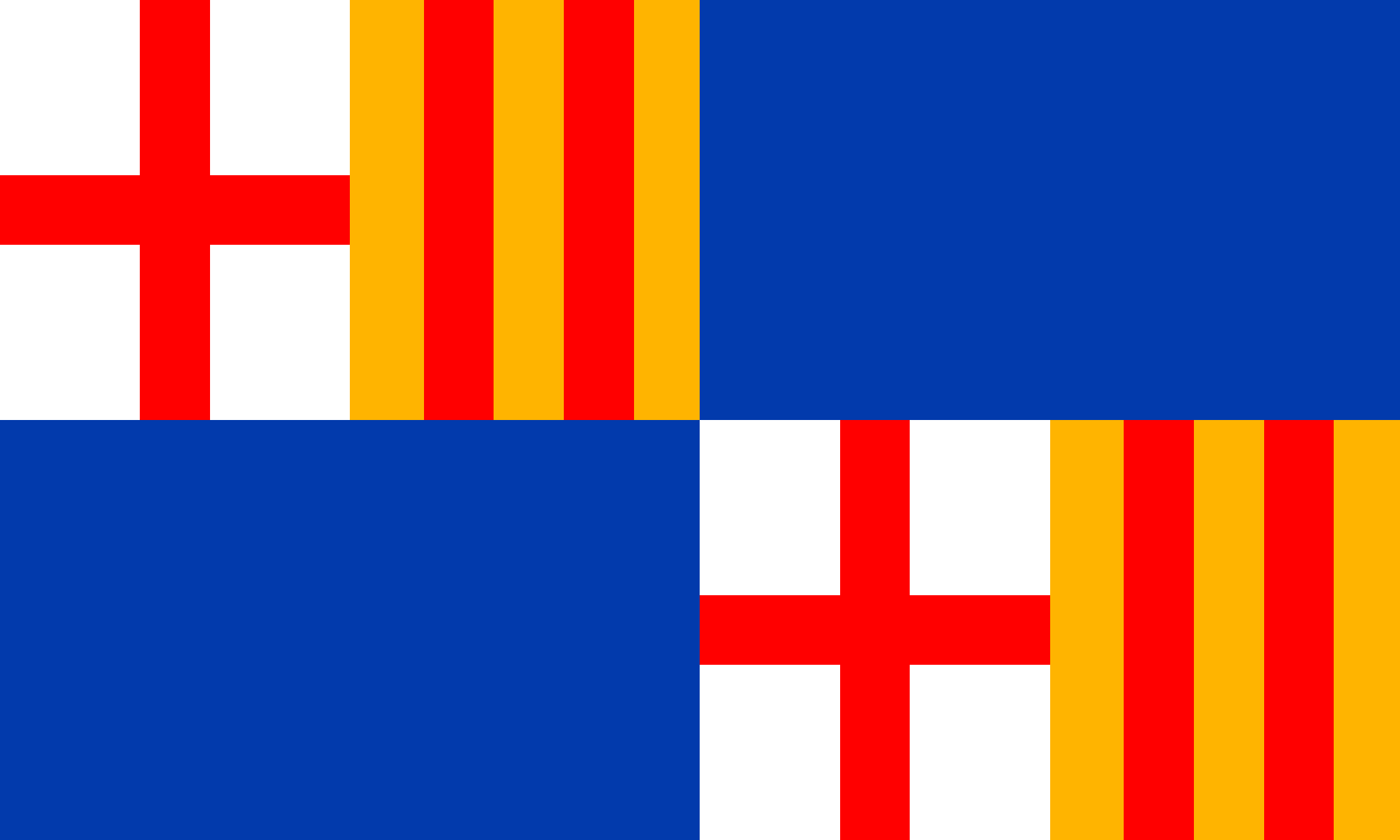
Barceloneta's flag reflects the town's connection with Barcelona and Catalonia. Two sections feature the Cross of Saint George and red-and-gold Catalan bars, while the blue sections represent the Atlantic Ocean bordering the municipality.
Coat of Arms
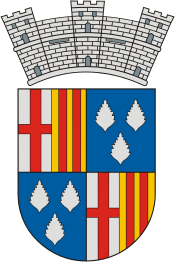
The coat of arms repeats the Catalan elements found on the flag and includes three sugar-cane flowers (guajanas) above the blue fields. These flowers recall the agricultural economy that sustained early Barceloneta, while the blue symbolizes the beaches and marine ports of great importance for industry and commerce. A mural crown identifies Barceloneta as a Puerto Rican municipality.
Anthem
The municipal anthem celebrates Barceloneta's history, coastal setting, agricultural traditions and community pride. It is performed during civic ceremonies, patron-saint festivities and official municipal events.
Human & Capital Resources
Economy
Barceloneta's economy has evolved from sugar cane, salt production and pineapple cultivation into a major center for pharmaceutical manufacturing, retail and services. Pharmaceutical companies began establishing operations in the municipality during the 1970s, while Puerto Rico Premium Outlets later strengthened Barceloneta's role as a regional shopping and dining destination. Agriculture remains part of its identity, particularly through its historic association with pineapple production.
Education
Arroyo provides students with access to public and private schools that serve the community from elementary through high school. While the municipality does not have a major university campus, residents benefit from its convenient location along Puerto Rico's southern coast, with several colleges and universities just a short drive away.
Students pursuing higher education have access to nearby institutions such as the Inter American University of Puerto Rico – Guayama Campus, which offers undergraduate and graduate programs in business, education, health sciences, technology, agriculture, and the humanities.
Additional educational opportunities are available within 30 to 45 minutes in neighboring municipalities, including campuses of the University of Puerto Rico and private universities throughout the southern and eastern regions. This accessibility allows Arroyo residents to enjoy the town's peaceful coastal lifestyle while remaining close to a wide range of academic and professional opportunities.
Demographics *
Population
22,657
Land Area: 18.69 sq mi
Density: 1,279.10 per sq mi
Median Age: 41.1
Sex: 53% female
Economics **
$10,314
Median household income: $17,815
Puerto Rico: $21,058
Persons below poverty line: 46.4%
Housing, families and educational attainment *
Number of households
8,152
Housing units density:
572.1 (2013)
Persons per household: 2.93
High school grad or higher: 73.6%
Marital status: 36% married
* U.S. Census Bureau 2020 data, unless otherwise noted - Source: Quick Facts Puerto Rico.
** U.S. Census Bureau 2016-2020
Map References
Coordinates: 18.4506° N, 66.5386° W
ZIP Code: 617
Driving Distance from San Juan: 42 miles
Driving Time: 1 hour, 7 minutes
Did You Know?
San Juan is the second largest cruise port in the Western Hemisphere.
Get Our Newsletter
Discover new places, local flavors, upcoming events, cultural stories, and some of our favorite finds from around the island.Read the Latest ¡La Isla! Newsletter
Follow Along


