
San Germán, Puerto Rico
(sahn her-MAHN)
San Germán is known as La Ciudad de las Lomas (city of hills) and La Fundadora de Pueblos (founder of towns).
San Germán was the second city founded by the Spanish in Puerto Rico, as the island was divided into two jurisdictions: the northern, with Caparra or Puerto Rico (now San Juan) as its capital, and the southern division, with San Germán as the capital.
The original village was founded in 1511, but it was raided by the French in 1528, 1538, and 1554; the fleeing residents established a new settlement in the nearby hills.
Overview
Why Visit San Germán?
Why I Love San Germán

San Germán has a completely different atmosphere from Old San Juan. Walking through its quiet streets feels like stepping into another era, where centuries-old churches, colorful homes, and tree-lined plazas have changed very little over time. Every visit reminds me that Puerto Rico's history extends far beyond the capital, and that some of the island's most memorable places are found in its smaller towns.
Top Things to Do in Cabo Rojo
San Germán is one of Puerto Rico's most rewarding destinations for history lovers. Its compact historic district is home to beautifully preserved Spanish colonial architecture, centuries-old churches, museums, and quiet plazas that invite visitors to slow down and explore on foot.
Porta Coeli Church & Museum
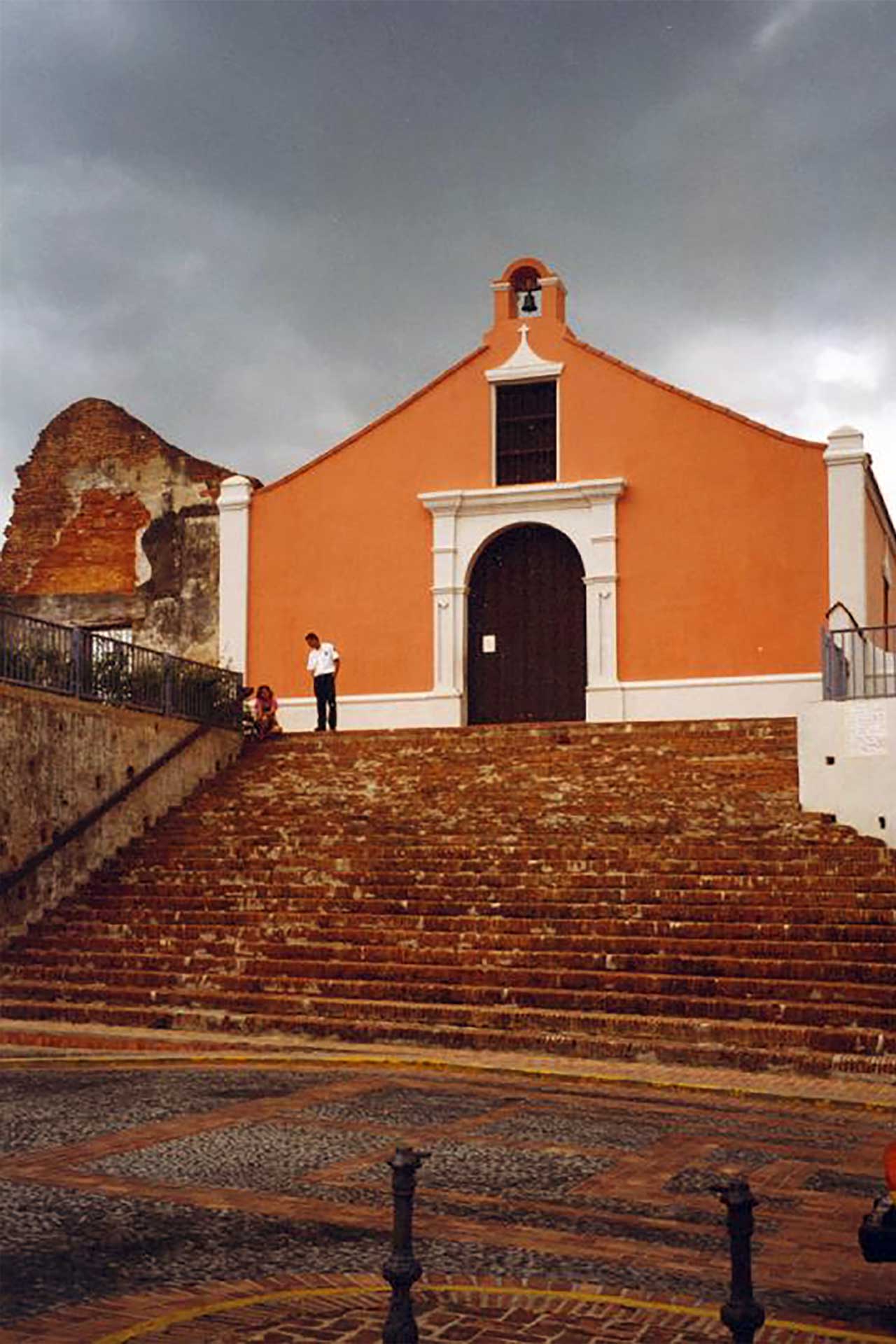
One of the oldest churches in the Americas, Porta Coeli is San Germán's most iconic landmark. Built in the early 17th century, the former convent and chapel now serves as a museum showcasing centuries of religious art while offering spectacular views over the city's historic center.
Porta Coeli is San Germán's most iconic landmark, it overlooks one of San Germán's two plazas. The church dates back to 1606 and is one of the oldest churches in the Western Hemisphere, the second founded on the Island and is the oldest under U.S. jurisdiction. The former convent and chapel now serves as a museum of religious and containing Mexican colonial paintings and wood statuary of the 18th and 19th centuries. Porta Coeli Church is one of only a few buildings constructed with Gothic architectural style in the New World.
Historic District
Designated as a National Historic Zone, downtown San Germán features colorful colonial homes, cobblestone streets, charming plazas, and dozens of historic buildings dating back several centuries. Walking through the district feels like stepping into Puerto Rico's colonial past.
Plaza Santo Domingo
The city's main square serves as the heart of San Germán. Surrounded by historic buildings, cafés, and the City Hall, it's a pleasant place to relax, enjoy local life, or attend one of the city's many cultural events.
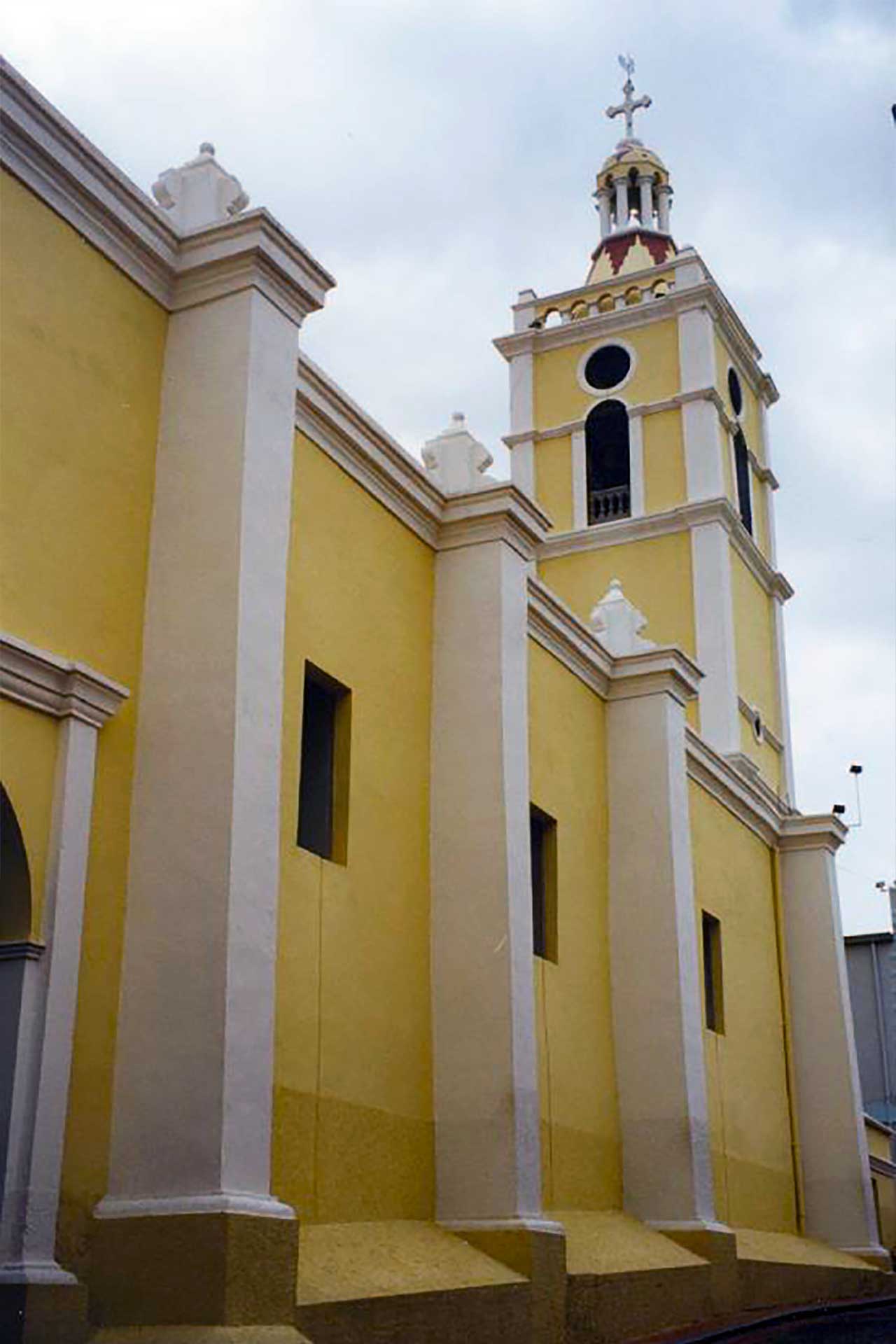
Church of San Germán de Auxerre
Standing beside the plaza, this elegant church has been the spiritual center of the community for generations. Its beautiful façade and interior make it one of western Puerto Rico's most important religious landmarks.
Museo de la Historia de San Germán
Learn about the city's founding, colonial heritage, education, and role in Puerto Rico's history through exhibits highlighting one of the island's oldest municipalities.
Nearby Nature
San Germán also makes an excellent base for exploring nearby attractions such as Maricao State Forest, Guanica Dry Forest, Cabo Rojo's beaches, and the Lajas Valley.
Plan your Visit
Located in Puerto Rico's western region, San Germán is an easy day trip from Mayagüez, Cabo Rojo, and Lajas. While its historic district is easily explored on foot, having a rental car makes it simple to combine your visit with nearby beaches, forests, and natural attractions.
Getting There
By Air
Rafael Hernández Airport (BQN) in Aguadilla is approximately one hour from San Germán, while Luis Muñoz Marín International Airport (SJU) in San Juan is about two and a half hours away by car.
By Car
San Germán is accessible via PR-2 and several scenic mountain highways. Driving is the most convenient way to explore the city and nearby destinations throughout Puerto Rico's west coast.
Getting Around
Rental Car
A rental car is recommended if you plan to visit nearby attractions including Cabo Rojo, Guanica, Maricao, Mayagüez, or the coffee-growing mountain towns.
Taxis & Rideshare
Taxis and rideshare may be available, but service can be limited compared with San Juan.
Walking
The historic district is compact and highly walkable. Most churches, museums, plazas, cafés, and historic buildings are located within a few blocks of one another.
Nature & Resources
Geography
Nestled in Puerto Rico's scenic western interior, San Germán is characterized by rolling hills, fertile valleys, and a rich agricultural landscape. The municipality borders Mayagüez, Hormigueros, Maricao, Lajas, Sabana Grande, and Cabo Rojo, making it an excellent base for exploring the island's southwest region. Several rivers, including the Guanajibo River, have shaped the area's geography and supported agriculture for centuries.
Neighborhoods & Barrios
San Germán is divided into 18 barrios (PDF) (wards or districts), each contributing to the municipality's unique character. From the historic downtown and surrounding residential neighborhoods to quiet rural communities known for agriculture and mountain scenery, the barrios reflect San Germán's long history, cultural heritage, and importance as one of Puerto Rico's oldest cities.
- Ancones,Caín Alto
- Caín Bajo
- Cotui
- Duey Alto
- Duey Bajo
- Guamá
- Hoconuco Alto
- Hoconuco Bajo
- Maresúa
- Minillás
- Pueblo
- Retiro
- Rosarío Alto
- Rosarío Bajo
- Rosario Peñón
- Sabana Eneas
- Sabana Grande Abajo
Notable Barrios
Pueblo
Home to San Germán's National Historic Zone, the Pueblo barrio contains the city's colonial center, including Porta Coeli Church, Plaza Santo Domingo, museums, colorful Spanish architecture, and many of the municipality's most important historic landmarks.
Rosario Alto
Located in the surrounding hills, Rosario Alto offers scenic countryside views and reflects San Germán's agricultural traditions.
Hoconuco Alto & Hoconuco Bajo
These rural barrios preserve much of the municipality's farming heritage and provide a glimpse into the quieter side of life beyond the historic district.
Sabana Grande Arriba
Known for its rolling countryside and rural landscapes, this barrio showcases the natural beauty of western Puerto Rico.
This approach makes the section much more informative while naturally encouraging visitors to explore beyond the historic center.
Climate
San Germán enjoys a warm tropical climate year-round, with temperatures typically ranging from the mid-70s°F (24°C) in the evenings to the upper 80s°F (31°C) during the day. Thanks to its slightly inland location and gentle elevation, the city often feels a bit cooler than Puerto Rico's coastal communities, especially during the mornings and evenings.
The dry season generally runs from December through April, making it the most popular time to explore San Germán's historic district and nearby attractions. The wetter months, from May through November, bring occasional afternoon showers that help keep the surrounding hills and countryside lush and green. Like the rest of Puerto Rico, San Germán may experience tropical storms or hurricanes during the Atlantic hurricane season, which officially runs from June through November.
10 Day Forecast from weather.com
Local Tip
San Germán is most enjoyable to explore on foot during the morning or late afternoon, when temperatures are cooler and the soft sunlight beautifully highlights the city's colorful colonial architecture. If you're visiting during the summer months, bring water, wear comfortable shoes, and plan indoor museum visits during the warmest part of the day.
Where to Stay
Although San Germán is primarily visited as a day trip, several accommodations provide a comfortable base for exploring Puerto Rico's western region.
- A2Tiempos Bed & Breakfast
- Casa Verde Historic House
Local Flavors & Festivities
San Germán's dining scene reflects the traditions of Puerto Rico's southwest, with everything from casual cafés to family-owned restaurants serving authentic local cuisine.
Where to Eat
- Pórticos 1606
- Charr & Mar
- El Tablazo
- El Sazón de la Abuela
- Me Latte un Pocillo
- Panadería La Central
- Panadería San Germán
- Lupito's
- Pizzería San Germán
Festivals and Events
Displaying 7 results.
-
Festival de la Pana
- July
Annual festival celebrating breadfruit (pana), one of Puerto Rico's favorite tropical ingredients. The festival features creative culinary dishes, cooking demonstrations, artisan vendors, live music, traditional foods, and family entertainment in San Germán's historic downtown.
-
Fiestas Patronales de San Germán Euserre
- July
Annual patron saint festival honoring San Germán de Auxerre with religious processions, live concerts, artisan fairs, amusement rides, traditional Puerto Rican cuisine, and family-friendly activities in the historic Plaza Santo Domingo.(787) 892-3500
-
Festival del Anón
- September
Celebration of the tropical anón (custard apple) featuring fresh fruit, desserts, local cuisine, artisan vendors, agricultural exhibits, live music, and cultural performances.
-
Desfile de Navidad
- December
Annual Christmas parade through the historic district featuring floats, marching bands, dance groups, community organizations, holiday characters, and seasonal entertainment.
-
Festival de Navidad
- December
Traditional Christmas celebration featuring holiday music, parrandas, artisan markets, festive lighting, Puerto Rican cuisine, children's activities, and cultural performances throughout the historic town center.
-
Maratón de la Mujer Puertorriqueña
- December
Puerto Rico's premier women's road race, attracting runners from across the island. The event includes a 5K race, youth competitions, awards, health activities, and community festivities celebrating women's athletics.(787) 892-3500
-
Puerto Rican Women's Marathon
- December
Every year in february San German celebrates Puerto Rican Women's Marathon.(787) 892-3500
History
For more than five centuries, San Germán has stood as one of Puerto Rico's most important historic cities. Founded in the early years of Spanish colonization, it is recognized as Puerto Rico's second-oldest city and the oldest continuously occupied Spanish settlement outside of San Juan. Throughout its history, San Germán has served as a center of government, religion, education, and commerce for much of the island's western region.
Today, its beautifully preserved colonial architecture, historic churches, and National Historic Zone offer visitors a unique opportunity to experience Puerto Rico's rich cultural heritage while exploring one of the island's most charming and authentic destinations.
Moments in History
The original settlement of San Germán is founded, making it one of Puerto Rico's earliest Spanish communities.
To protect residents from frequent pirate attacks, the Spanish Crown orders the merger of San Germán and nearby Santa María de Guadianilla.
The town is permanently established at its present location after repeated attacks by French pirates and Indigenous resistance forced earlier settlements to relocate.
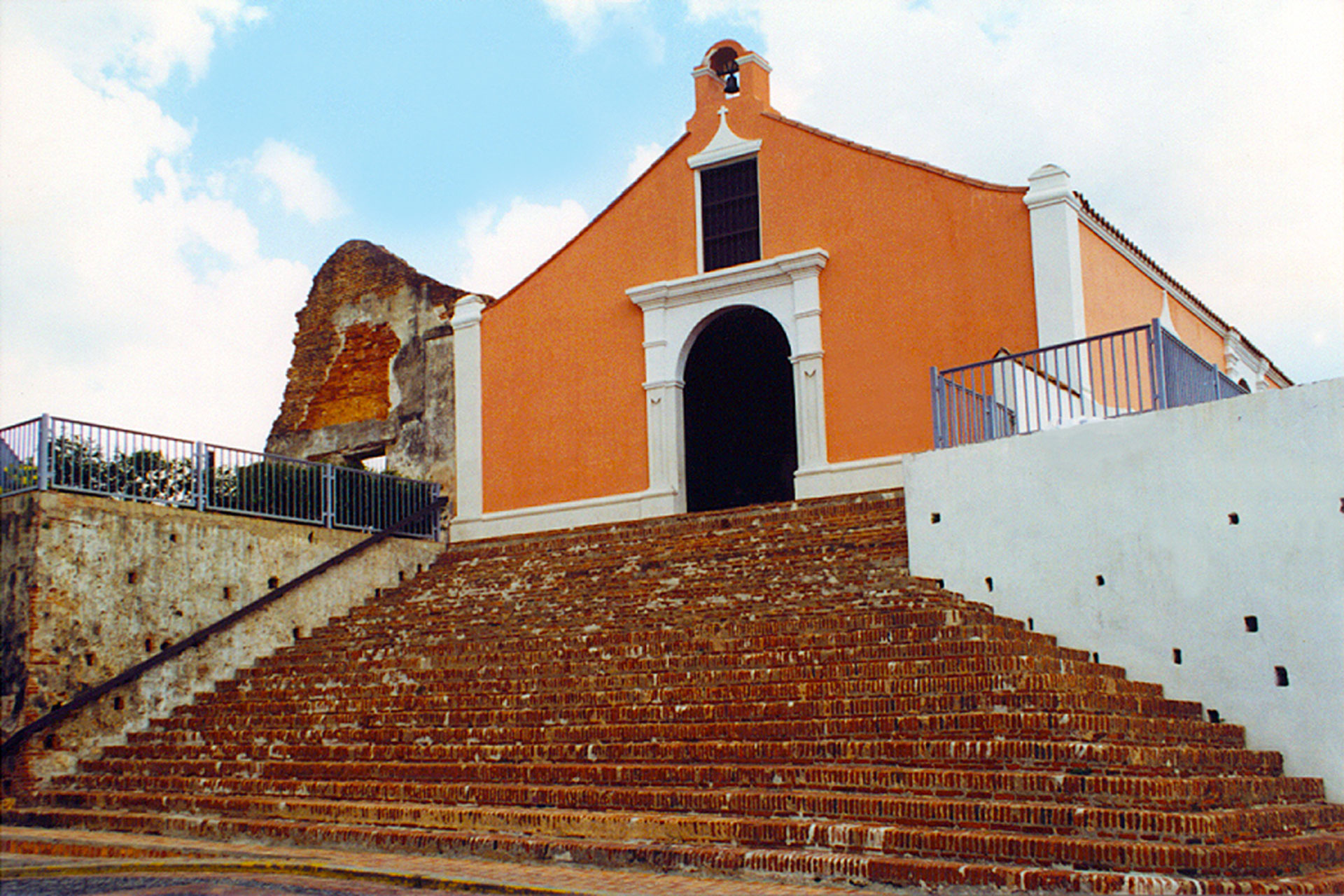
Construction of Porta Coeli Church is completed, creating what is now one of the oldest surviving churches in the Western Hemisphere.
San Germán flourishes as a regional center for agriculture, commerce, education, and government, becoming one of Puerto Rico's most influential municipalities.
The Polytechnic Institute of Puerto Rico, now Inter American University of Puerto Rico, is founded in San Germán, reinforcing the city's long-standing educational tradition.
San Germán's historic district is recognized as one of Puerto Rico's best-preserved colonial centers, attracting visitors from around the world who come to experience its architecture, museums, churches, and cultural heritage.
Notable People
For centuries, San Germán has been home to influential writers, historians, artists, educators, and public figures whose contributions have helped shape Puerto Rico's culture, literature, and national identity.
Famous Sangermeños
Lola Rodríguez de Tió
1843–1924
Poet • Author • Patriot
One of Puerto Rico's most celebrated poets and an advocate for Puerto Rican independence. She wrote the revolutionary version of "La Borinqueña", whose lyrics became a powerful symbol of Puerto Rican identity and freedom.
Aurelio Tió
1887–1961
Historian • Educator • Writer
A respected historian and educator whose research and writings helped preserve Puerto Rico's history and the cultural heritage of San Germán. He is remembered for documenting many aspects of the island's colonial past.
Francisco Mariano Quiñones
1830–1908
Writer • Politician • Jurist
An influential lawyer, writer, and politician who served in several important government positions during the Spanish colonial period. His literary and political work helped shape Puerto Rico's intellectual life during the nineteenth century.
City Symbols
Like many Puerto Rican municipalities, San Germán celebrates symbols that reflect its history, geography, and cultural identity.

Flag
The Flag of San Germán is based on the colors and elements of the municipality's historic coat of arms, preserving symbols that date back to the Spanish colonial era.
The flag's colors represent San Germán's royal origins, religious traditions, and enduring civic pride. Today, it is proudly displayed during municipal celebrations, cultural events, and the annual Fiestas Patronales.
Coat of Arms
The Coat of Arms of San Germán is one of Puerto Rico's oldest municipal heraldic symbols and reflects the city's long and distinguished history.
Its principal elements include:
- The royal arms granted during the Spanish colonial period, recognizing San Germán as one of Puerto Rico's earliest settlements.
- Religious symbolism honoring the city's patron saint and centuries of Catholic tradition.
- Heraldic elements representing loyalty to the Spanish Crown and the municipality's historic importance.
- A mural crown with five towers, identifying San Germán as an incorporated Puerto Rican municipality.
Together, these symbols celebrate San Germán's legacy as one of Puerto Rico's oldest and most historically significant cities.
Anthem
The municipal anthem of San Germán expresses the deep pride residents have for their historic hometown. Its lyrics celebrate the city's colonial heritage, beautiful hills, educational traditions, and the strong sense of community that has endured for more than five centuries.
Performed during civic ceremonies, cultural events, and the annual Fiestas Patronales, the anthem serves as a reminder of San Germán's lasting contributions to Puerto Rico's history and culture.
San Germán es mi pueblo querido...
Human & Capital Resources
Economy
San Germán's economy has traditionally been rooted in agriculture, education, commerce, and government services. While sugarcane and coffee once played important roles in the region's development, today's economy is supported by retail businesses, healthcare, education, professional services, and small manufacturing.
Inter American University of Puerto Rico remains one of the municipality's largest employers and continues to contribute significantly to the local economy. Tourism also plays an important role as visitors explore San Germán's historic district, museums, churches, and nearby attractions throughout Puerto Rico's western region.
Education
San Germán has long been recognized as one of Puerto Rico's most important educational centers. The city offers a strong network of public and private schools, making it a regional hub for education in southwestern Puerto Rico.
The municipality is home to the Inter American University of Puerto Rico – San Germán Campus, the flagship campus of the Inter American University system. Founded in 1912, it is one of Puerto Rico's oldest and largest private universities, offering undergraduate, graduate, and professional degree programs in business, education, nursing, engineering, psychology, law, theology, and the liberal arts. The university is widely recognized for its academic excellence, research, and community engagement, attracting students from across Puerto Rico and beyond.
Students also benefit from San Germán's proximity to the University of Puerto Rico at Mayagüez (RUM), one of the Caribbean's premier public universities and internationally known for its engineering, agriculture, business, and science programs. Together, these institutions have established San Germán as one of Puerto Rico's leading centers for higher education, innovation, and workforce development, contributing significantly to the cultural and economic vitality of the region.
Healthcare
Residents are served by hospitals, medical clinics, pharmacies, and healthcare providers located in San Germán and nearby municipalities, offering access to primary care, specialty services, and emergency medical treatment throughout Puerto Rico's western region.
Demographics *
Population
31,879
Land Area: 54.5 sq mi
Density: 565.4 per sq mi
Median Age: 44.7
Sex: 51% female
Economics **
$10,203
Median household income: $16,561
Puerto Rico: $21,058
Persons below poverty line: 48.8%
Housing, families and educational attainment *
Number of households
11,550
Housing units density:
292.1 (2013)
Persons per household: 2.61
High school grad or higher: 70.7%
Marital status: 37% married
* U.S. Census Bureau 2020 data, unless otherwise noted - Source: Quick Facts Puerto Rico.
** U.S. Census Bureau 2016-2020
Map References
Coordinates: 18.0000° N, 67.0000° W
ZIP Code: 00636, 00683
Driving Distance from San Juan: 111.8 miles
Driving Time: 2 hours, 23 minutes
Did You Know?
Puerto Rico has one of the highest life expectancies in the Caribbean.
Get Our Newsletter
Discover new places, local flavors, upcoming events, cultural stories, and some of our favorite finds from around the island.Read the Latest ¡La Isla! Newsletter
Follow Along


